Guided Audio Meditation Routine to Ease Anxiety Fast
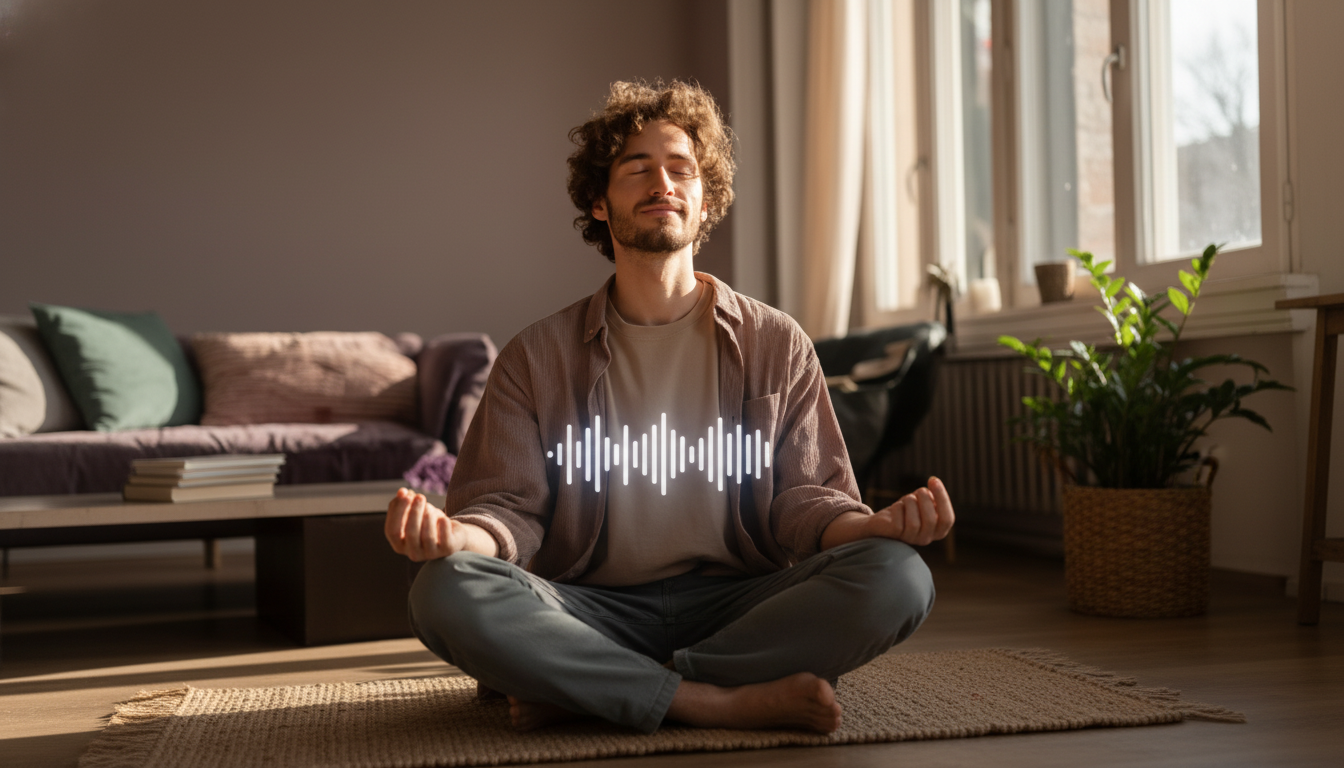
Calm Your Mind: A Guided Audio Meditation Routine for Anxiety Relief
A steady mind is built through small, repeatable practices. This guided audio meditation routine is designed to help ease anxious momentum, steady breathing, and create a calmer baseline—whether used as a daily routine or as a quick reset during stressful moments.
What this guided audio series is for
When anxiety ramps up, it can feel like the mind is sprinting ahead while the body stays braced for impact. A guided audio format adds structure when attention feels scattered, giving you something simple to follow even on days when decision-making feels hard.
- Supports calmer attention when thoughts feel fast, loud, or repetitive
- Helps shift the body out of “fight-or-flight” patterns by pairing guidance with breath cues
- Creates a predictable routine that can reduce decision fatigue during anxious periods
- Fits common use cases: morning grounding, midday reset, pre-meeting calming, and bedtime wind-down
If you’re curious about how meditation is commonly used for stress and well-being, the National Center for Complementary and Integrative Health (NCCIH) offers a clear overview, and the American Psychological Association (APA) discusses mindfulness and mental health in everyday terms.
What’s included and how it works
Guided audio removes the pressure to “do it right.” Instead of trying to force your mind to be blank, you practice returning—again and again—to a few steady anchors like breath, body sensations, and gentle muscle softening.
- Guided audio format that removes the need to “figure out” what to do in the moment
- Step-by-step prompts to notice sensations, soften tension, and return attention gently
- Pacing that encourages consistency over intensity—short sessions can still be effective
- A structure that can be repeated so the mind learns a familiar pathway to calm
Simple ways to use the series (choose what matches your day)
| Situation | Suggested timing | Goal | Helpful setup |
|---|---|---|---|
| Morning anxiety or racing thoughts | 5–15 minutes after waking | Start the day with steadier attention | Sit upright; phone on Do Not Disturb |
| Midday overwhelm | 3–10 minutes between tasks | Interrupt stress spirals; reset the nervous system | Headphones; slow exhale longer than inhale |
| Before a difficult conversation | 5–10 minutes right before | Reduce reactivity; speak more clearly | Stand or sit; relax jaw and shoulders |
| Bedtime restlessness | 10–20 minutes before sleep | Downshift; prepare for sleep | Low light; avoid screens afterward |
Who this is ideal for (and when to consider other support)
This style of meditation tends to work well for people who want clarity and a calm voice to follow—especially when anxious thinking makes it harder to self-direct.
- A good fit for people who want guidance rather than silent meditation
- Helpful for beginners who struggle with “doing it right” and prefer clear prompts
- Useful for busy schedules: shorter sessions can still build consistency
- If anxiety feels severe, persistent, or includes panic symptoms, professional support can be paired with meditation for a more complete plan
For a helpful overview of anxiety disorders and when to seek care, visit the National Institute of Mental Health (NIMH).
A practical routine: build a 7-day calm baseline
The fastest way to make meditation feel “usable” isn’t doing longer sessions—it’s making it easier to start. Think of the first week as teaching your nervous system a familiar off-ramp.
- Day 1–2: Focus on showing up—choose a consistent time and keep it short
- Day 3–4: Add one mindful “pause” during the day (even 60 seconds of slow breathing)
- Day 5–6: Pair meditation with a simple trigger (after coffee, after lunch, before bed)
- Day 7: Review what worked—keep the easiest routine and repeat it next week
- Tip: Track effort, not outcomes; calm often shows up after consistency, not perfection
If you want to make this routine even more automatic, set a single cue (same chair, same time, same headphones). Reducing friction is often the difference between “I’ll do it later” and actually pressing play.
Getting the most from guided meditation when anxiety is high
High anxiety can make stillness feel uncomfortable. That doesn’t mean meditation is failing—it means your system is activated. The goal is to create enough safety signals that the body can gradually soften.
- Use a “lower the bar” approach: start with a short session to reduce resistance
- Let thoughts be present without debating them; return to breath and body cues
- Soften tension points (tongue, jaw, shoulders, belly) to signal safety to the body
- If restlessness increases, try eyes open, a seated posture, or a slower exhale
- Create a small closing ritual: one deep breath, notice the room, then resume your day
A simple breath cue that many people find steadying is “in for a count that feels natural, out a little longer.” The longer exhale can help shift the body toward a calmer state without forcing anything.
Featured downloads to support calmer days
Calm Your Mind: Guided Meditation Series (audio course)
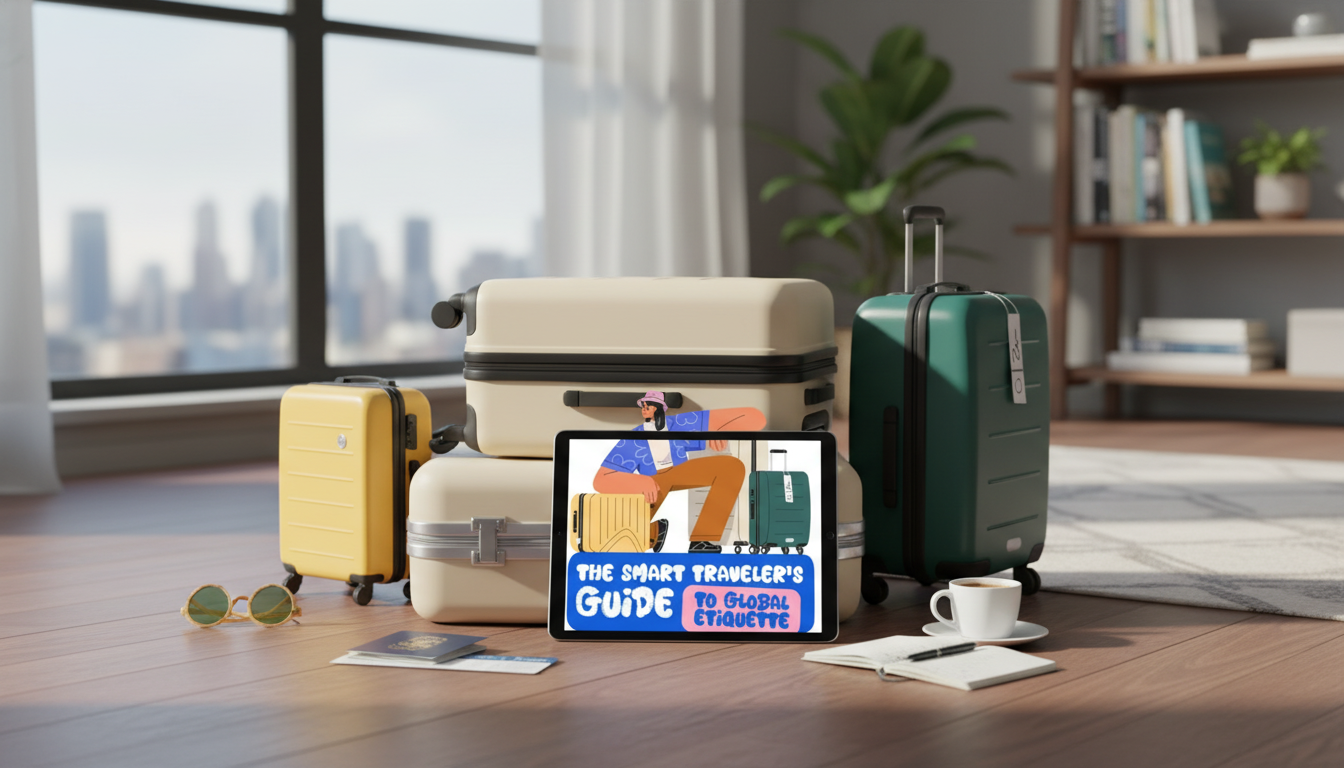
Minimalist Travel Packing Planner for stress-free trips
Modern Etiquette Micro-Course
Gentle expectations and safety notes
FAQ
How often should guided meditation be used for anxiety relief?
Daily is ideal if it’s realistic, even if it’s only 3–10 minutes. Consistency matters more than duration, so start small and increase time gradually as the routine feels easier to maintain.
Can guided meditation help during a panic-like moment?
It can help some people by slowing breathing and grounding attention, especially with eyes open and a longer exhale than inhale. If panic-like episodes are recurring or intense, pairing meditation with professional support can provide a safer, more complete plan.
What if the mind won’t stop thinking during meditation?
That’s normal—minds think. Progress is measured by noticing you’ve drifted and gently returning to breath or body cues, not by achieving silence.









Leave a comment