Beginner Holistic Wellness: 7-Day Plan for Whole-Body Health
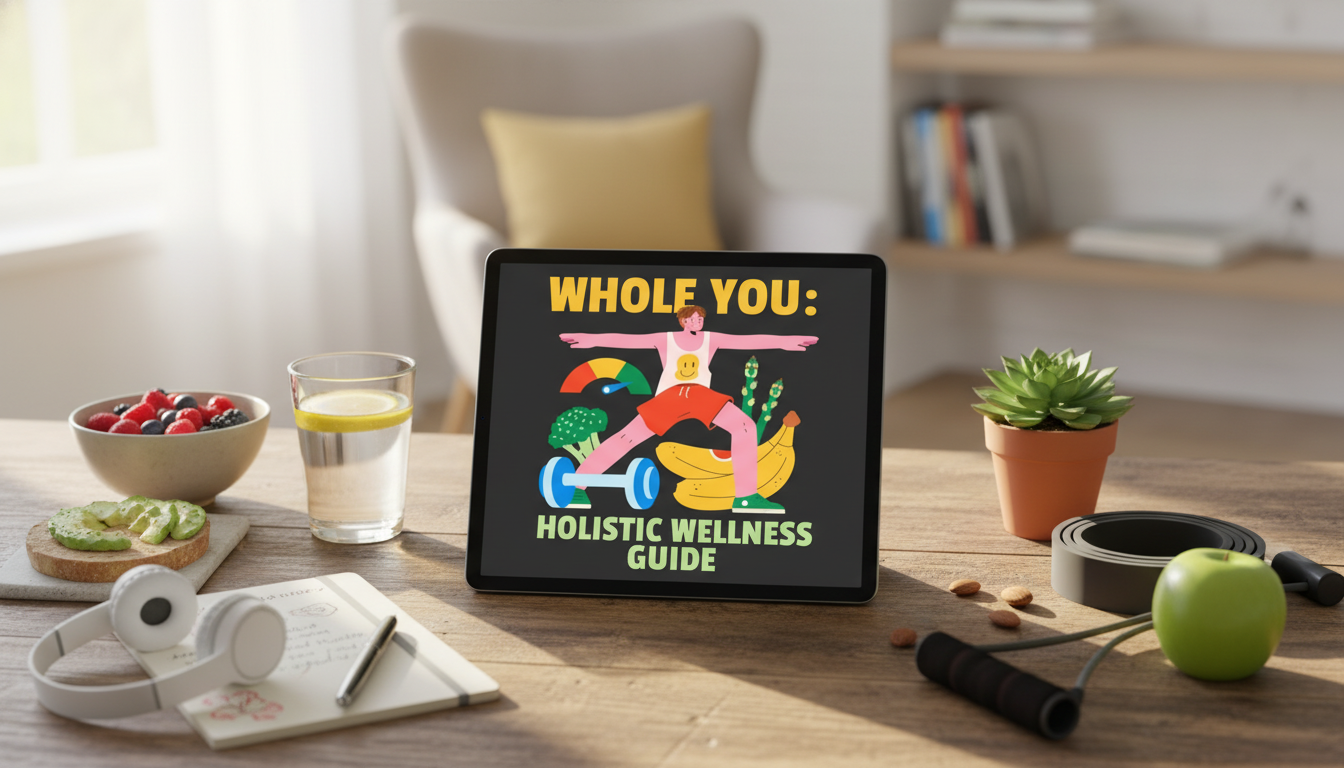
Whole You: A Beginner-Friendly Holistic Wellness Plan for Nutrition, Movement, Mindset, and Self-Care
Holistic wellness connects daily choices across food, movement, mental health, and self-care so progress feels realistic rather than overwhelming. Instead of chasing “perfect,” it helps you build a few steady habits that support energy, sleep, digestion, mood, and focus—together. Below is a simple, beginner-friendly approach to getting started, plus a structured digital resource that can turn good intentions into a routine that fits real life.
What “Holistic Wellness” Means in Everyday Life
Holistic wellness is less about doing everything and more about noticing how everything connects. When sleep is short, cravings rise. When stress is high, digestion can feel off. When you move consistently, mood and energy often improve. The point is to treat your wellbeing like a system, not a collection of random rules.
- Wellness is interconnected: energy, sleep, stress, digestion, mood, and focus influence each other.
- Small inputs create big outputs: consistent basics usually outperform occasional extremes.
- Structure + flexibility wins: clear actions with room to adjust during busy weeks.
- A simple baseline: nourish, move, restore, connect, and reflect.
Start With a Simple Baseline (No Perfection Required)
The fastest way to burn out is trying to overhaul everything at once. A more sustainable approach is choosing 1–2 habits per area and aiming for “most days,” not “every day.” Track only what’s useful—enough to learn what helps, not so much that it becomes a second job.
- Choose 1–2 habits per area rather than changing everything at once.
- Track only what helps: energy (1–10), sleep hours, steps/movement minutes, mood notes.
- Plan for setbacks: travel, busy workweeks, low motivation, and illness are normal.
- Use a weekly reset: review what worked, what didn’t, and what to simplify.
| Area | Daily minimum | If you have extra time |
|---|---|---|
| Nutrition | Add 1 serving of fruit/veg + drink water with 2 meals | Plan 2 balanced meals; prep one snack |
| Movement | 10–20 minutes easy walk or mobility | Strength session or longer walk |
| Mental health | 2 minutes breathing or journaling | Guided meditation or therapy homework |
| Self-care | 5-minute tidy + bedtime wind-down cue | Longer routine: bath, reading, stretching |
Nutrition Foundations That Support Steady Energy
Beginner nutrition works best when it’s practical: you can repeat it, shop for it, and do it on tired days. Start with “add before subtract”—adding protein and produce tends to crowd in better choices without the backlash of strict rules.
- Build a balanced plate: protein + fiber-rich carbs + colorful produce + healthy fats.
- Add protein at breakfast: eggs, Greek yogurt, tofu scramble, or a protein smoothie can steady mid-morning energy.
- Add vegetables at lunch/dinner: pre-washed greens, frozen veg, and bagged slaw make this easier.
- Hydration basics: water as the default; pair caffeine with water and food.
- Reduce decision fatigue: rotate 3–5 go-to meals instead of reinventing every day.
For simple, evidence-based nutrition visuals and portion guidance, USDA MyPlate is a helpful reference.
Movement for Beginners: Build Strength, Mobility, and Confidence
Movement doesn’t have to be intense to be effective. The “minimum effective dose” approach—short sessions repeated consistently—builds momentum and makes fitness feel less intimidating.
- Mix movement types: walking/cardio for endurance, strength for resilience, mobility for comfort.
- Progress without burnout: increase only one variable at a time (time, intensity, or frequency).
- Make it easy to start: set out shoes, schedule a 10-minute window, and attach movement to an existing cue (after coffee, after a meeting, after dinner).
- Recovery is training: sleep, hydration, and rest days help your body adapt.
For a straightforward benchmark on weekly activity targets, see the CDC’s adult physical activity guidelines.
Mental Health Skills That Fit Into a Busy Day
Mental wellness habits work best when they’re small enough to use in real time—between tasks, before meals, or during transitions. Think of them as “pressure-release valves,” not one more thing to do perfectly.
If you want a reputable overview of mental health care basics and support options, NIMH’s guide to caring for your mental health is a strong starting point.
Self-Care That Actually Restores (Not Just Adds More Tasks)
A 7-Day Starter Plan (Adjustable and Beginner-Friendly)
Using a Digital Wellness Guide to Stay Consistent
Whole You: Holistic Wellness Guide (Digital Download)
If guided structure sounds more supportive than piecing advice together, Whole You: Holistic Wellness Guide (digital download) is designed for beginners who want a balanced approach across nutrition, exercise, mental health, and self-care. It’s built for repeat use during weekly planning—so you can choose a few actions, track progress, and adjust without starting over.
For days when stress is high and you want a more guided way to downshift, pair your routine with Calm Your Mind: Guided Meditation Series to support relaxation, consistency, and emotional reset.
FAQ
What should a beginner focus on first for holistic wellness?
Start with one small habit in each area—nutrition, movement, mental health, and self-care—keeping the bar low enough to do in 10–20 minutes. Use a simple weekly review to keep what works and adjust what doesn’t.
How long does it take to feel results from a wellness routine?
Some benefits, like improved sleep quality, mood, and steadier energy, can show up within 1–2 weeks. Changes in fitness and body composition typically take longer and depend on consistency, recovery, and starting point.
Is a digital wellness guide worth it compared to free tips online?
A digital guide can be worth it when it provides structure, sequencing, and repeatable trackers that reduce decision fatigue. It’s a practical complement to professional medical advice, especially when you want an organized plan you can reuse week to week.












Leave a comment